


Essays.
These essays are my attempt to understand what it means to become who we are capable of becoming. They are reflections on potential, action, regret, legacy, and the choices that shape a life.
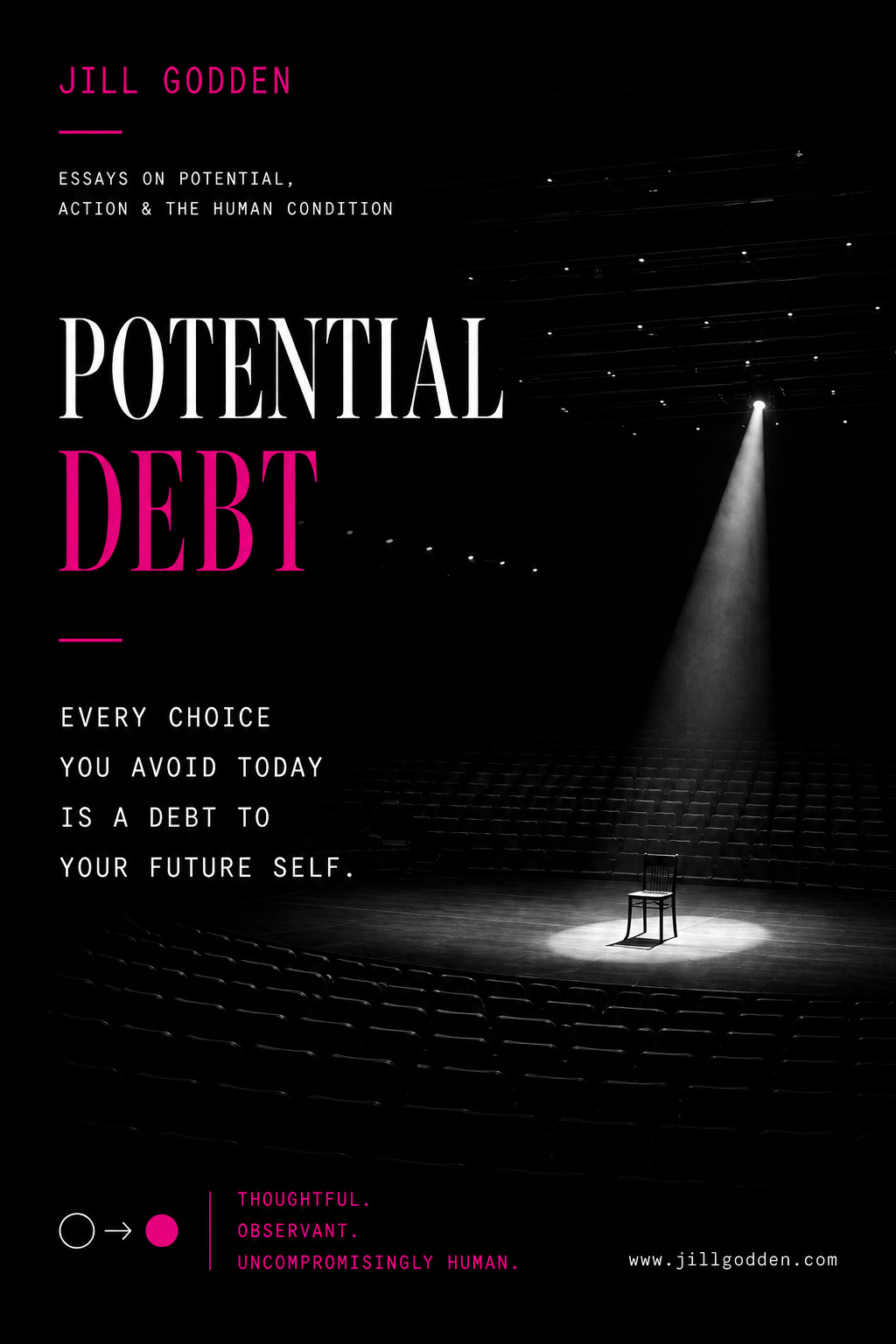
The core philosophy is grounded in what I call Potential Debt: The accumulated cost of the life, opportunities, and capabilities we were capable of creating but repeatedly chose not to pursue.
I hope you enjoy them as much as I have enjoyed thinking about their subjects.
POTENTIAL DEBT
The Gap Between Who You Are and Who You Could Become.
Potential is not an asset. It is a responsibility.
Most people think potential is a gift. I think it is a debt. A debt owed to the person we could become, the work we could create, the businesses we could build, the lives we could change, and the opportunities we have been given but not yet acted upon.
Every one of us carries a vision of a larger version of ourselves. A healthier version. A braver version. A more disciplined version. A version willing to take the risk, make the call, write the book, start the company, or pursue the idea.
Most people never meet that person.
Not because they lack intelligence, resources or opportunity. They fail to meet that person because potential alone changes nothing. Action does. Over the years I have worked with founders, entrepreneurs, investors, authors, business owners, and people with extraordinary ideas. I have come to believe that the world is not suffering from a shortage of potential.
Potential may be the most abundant resource on earth.
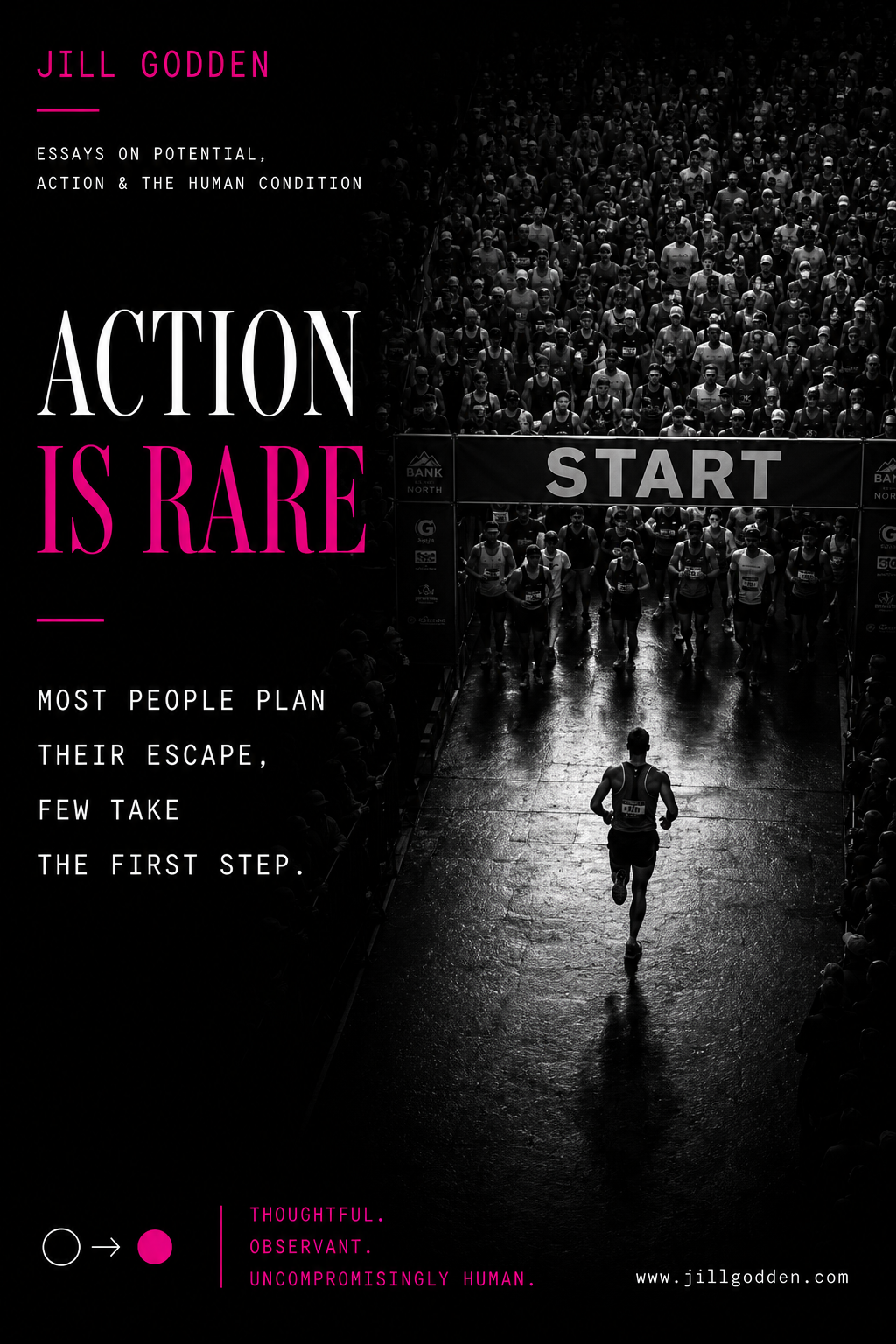
What is rare is action.
ACTION IS RARE
The Illusion That Most People Are Trying
One of the assumptions many of us carry through life is that everyone is trying.
We look around and see people discussing plans, setting goals, talking about ambitions and imagining different futures for themselves. We hear conversations about businesses that might be started, books that might be written, careers that might be pursued and opportunities that might be explored. The language of aspiration is everywhere. In fact, it is so common that it creates a subtle illusion. We begin to believe that because people are talking about something, they are moving towards it.
BELIEF BEFORE PROOF
The Problem With Waiting For Evidence
Human beings have a complicated relationship with uncertainty.
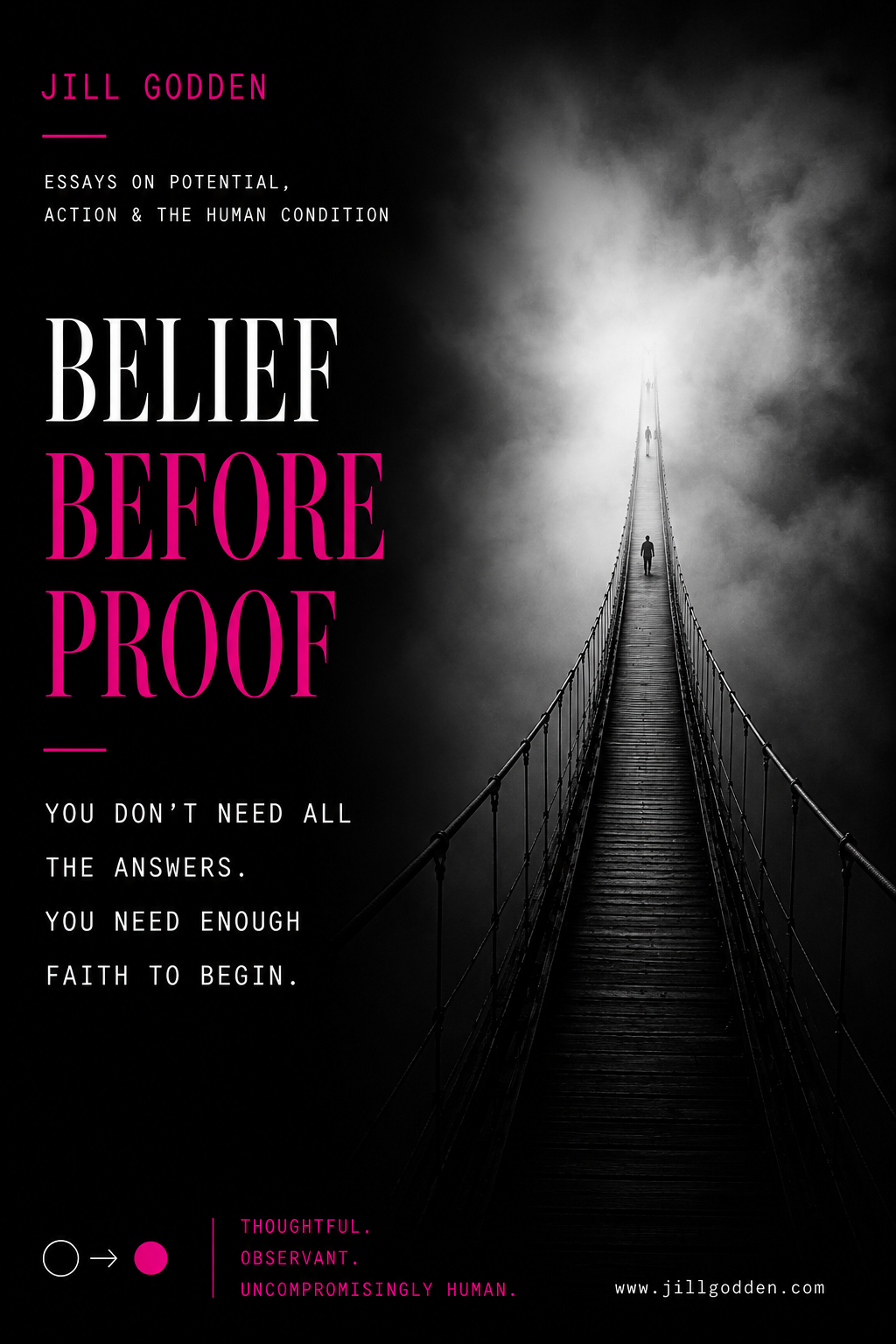
We admire bold decisions after they succeed, yet we become deeply uncomfortable when confronted with uncertainty in our own lives. We celebrate entrepreneurs who built successful companies, authors who wrote bestselling books and innovators who changed industries, but we rarely appreciate how little evidence existed when those journeys began.
OPPORTUNITY IS USUALLY QUIET
The Myth Of The Big Opportunity
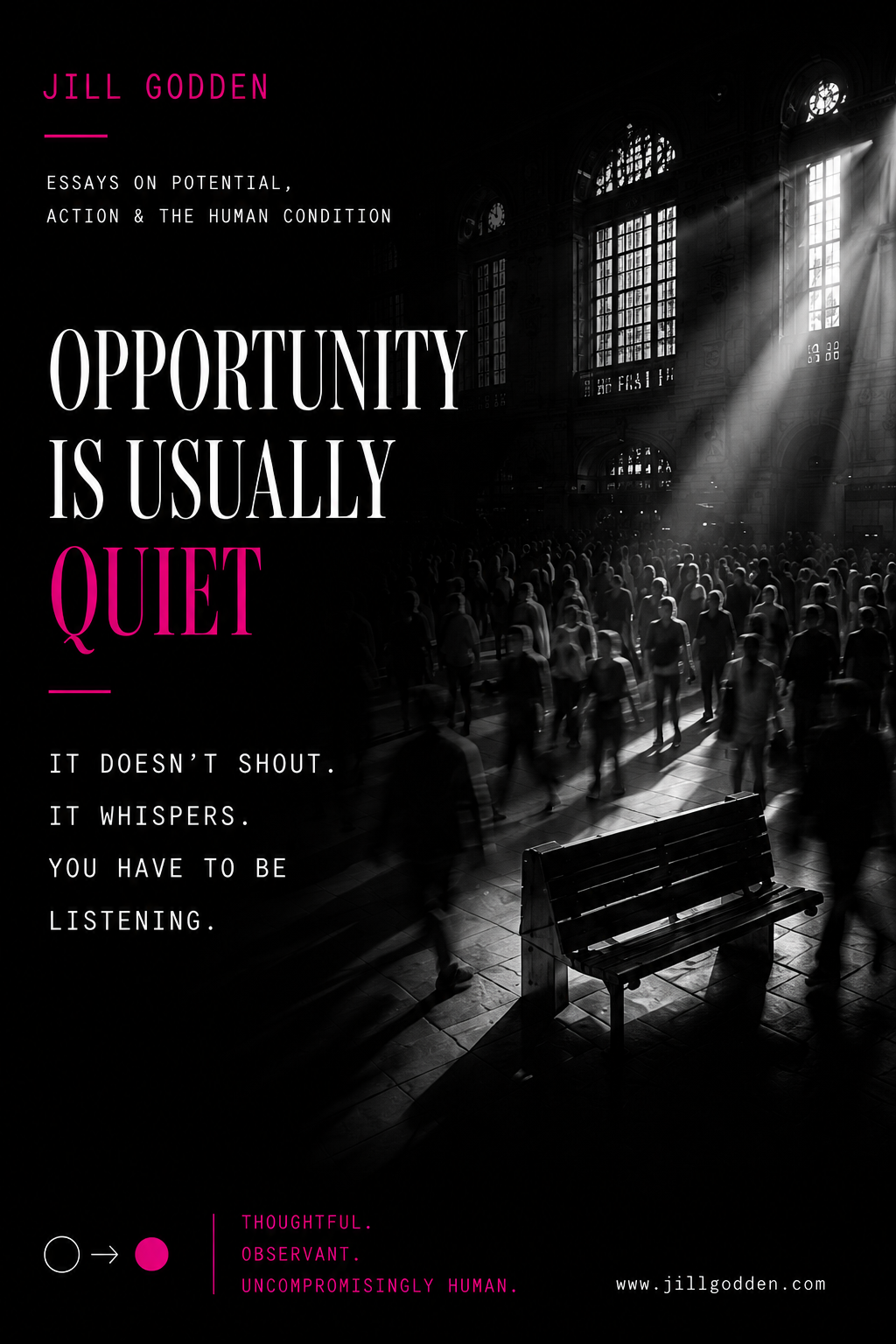
Most people spend their lives waiting for an opportunity that is unlikely to arrive. Not because opportunities are rare. Because they have developed a very specific idea of what opportunity is supposed to look like.
Ask someone to describe a life-changing opportunity and the answers tend to follow a familiar pattern. They imagine a major investment. A dream job. A breakthrough idea. A wealthy mentor. A perfect business concept. A lucky break. Something dramatic. Something obvious. Something impossible to miss. Popular culture has reinforced this belief for decades.
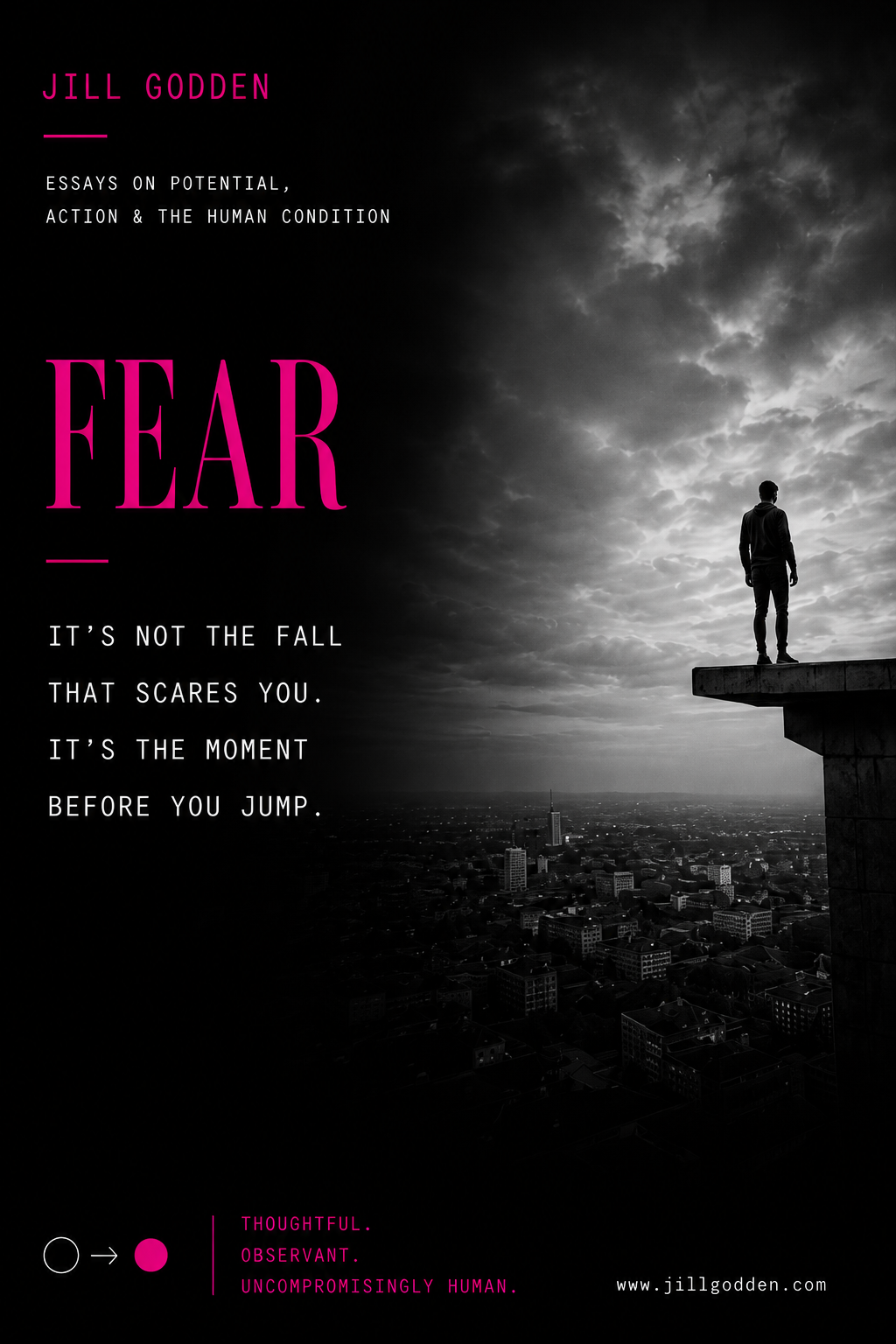
FEAR
Fear Has A Public Relations Problem
Few words carry as much negative baggage as fear.
To describe someone as fearful is rarely intended as a compliment. Fear is associated with weakness, hesitation, insecurity and retreat. It appears in stories as the obstacle that must be overcome. It is treated as the enemy of progress, the opponent of courage and the force standing between people and the lives they want to live.
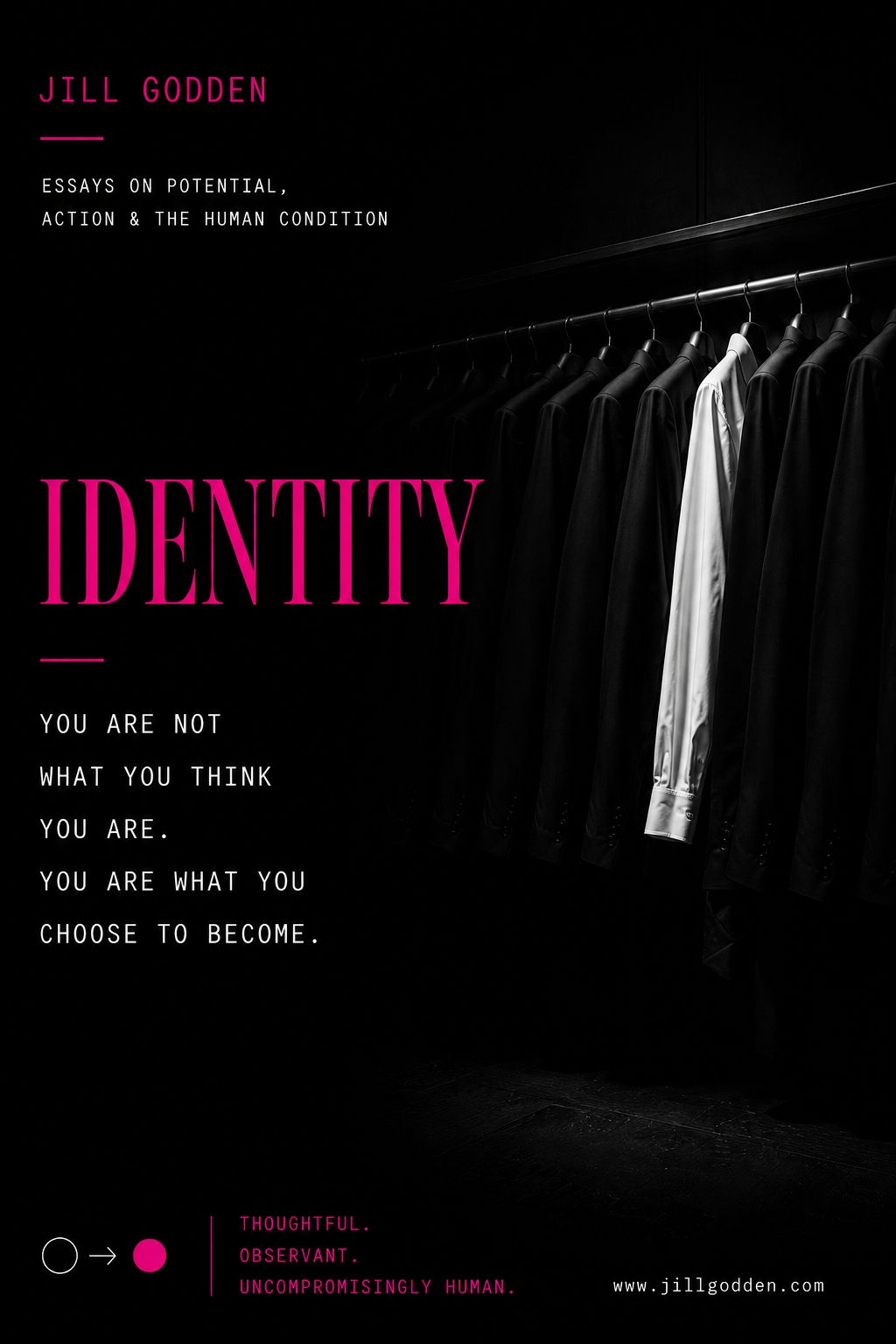
IDENTITY
The Story We Tell Ourselves
Every person carries a story. Not the story they tell other people. The story they tell themselves.
It is a quiet narrative that runs continuously in the background of life, interpreting experiences, explaining decisions and defining what feels possible. Most of the time it operates unnoticed. We rarely stop to examine it because it feels less like a story and more like reality.
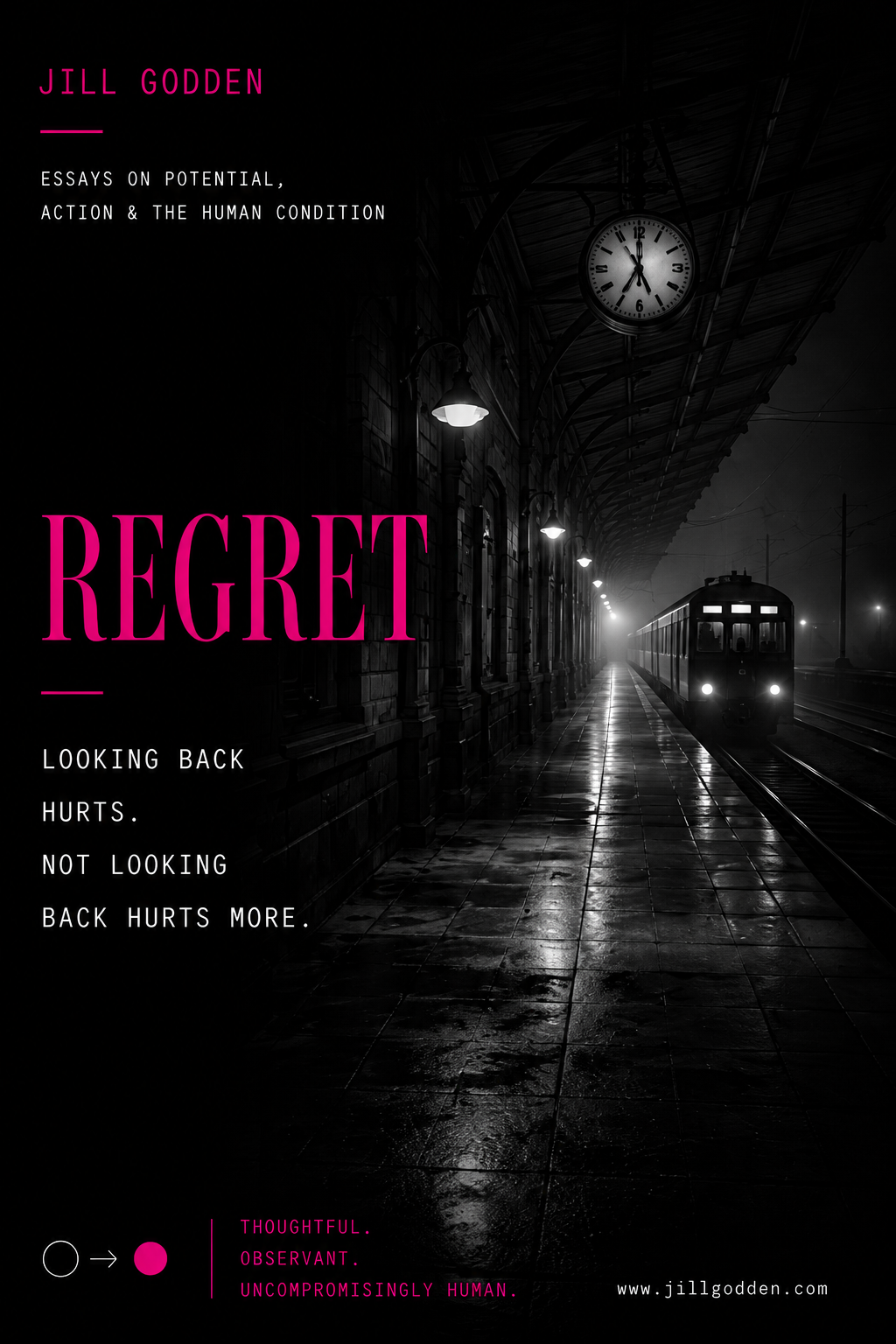
REGRET
Looking Backwards
Human beings possess a remarkable ability.
We can revisit places that no longer exist. Not physically. Mentally.
A conversation from twenty years ago can return without warning. A decision made decades earlier can suddenly feel present again. A face, a moment, a crossroads, a choice. The mind moves effortlessly across time, returning to places the body left long ago.
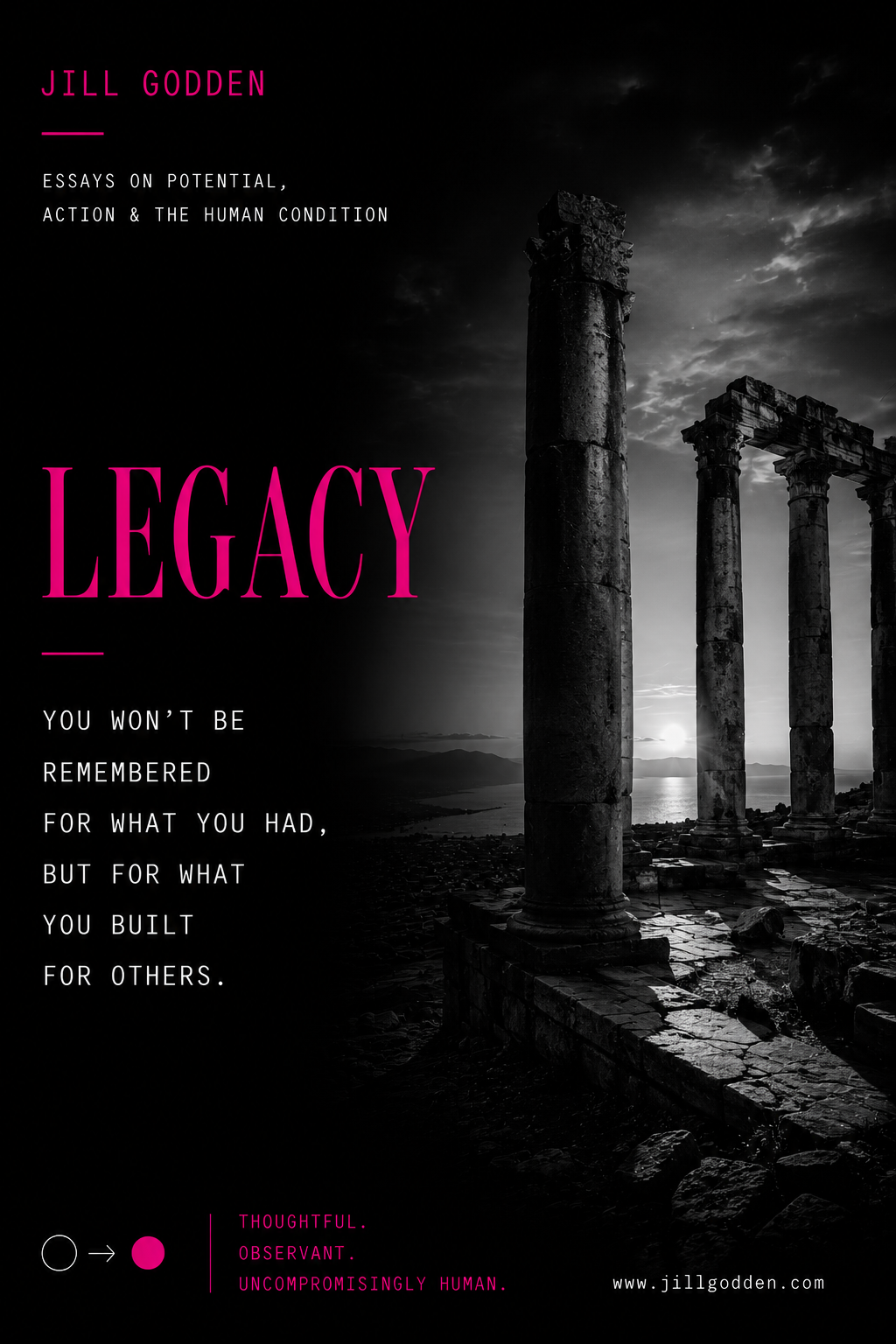
LEGACY
The Illusion Of Permanence
Human beings have always been fascinated by permanence.
We build monuments designed to outlast us. We preserve photographs, write books, create companies, accumulate assets and record history. Across cultures and throughout history there has been a consistent desire to leave something behind that survives our own existence.
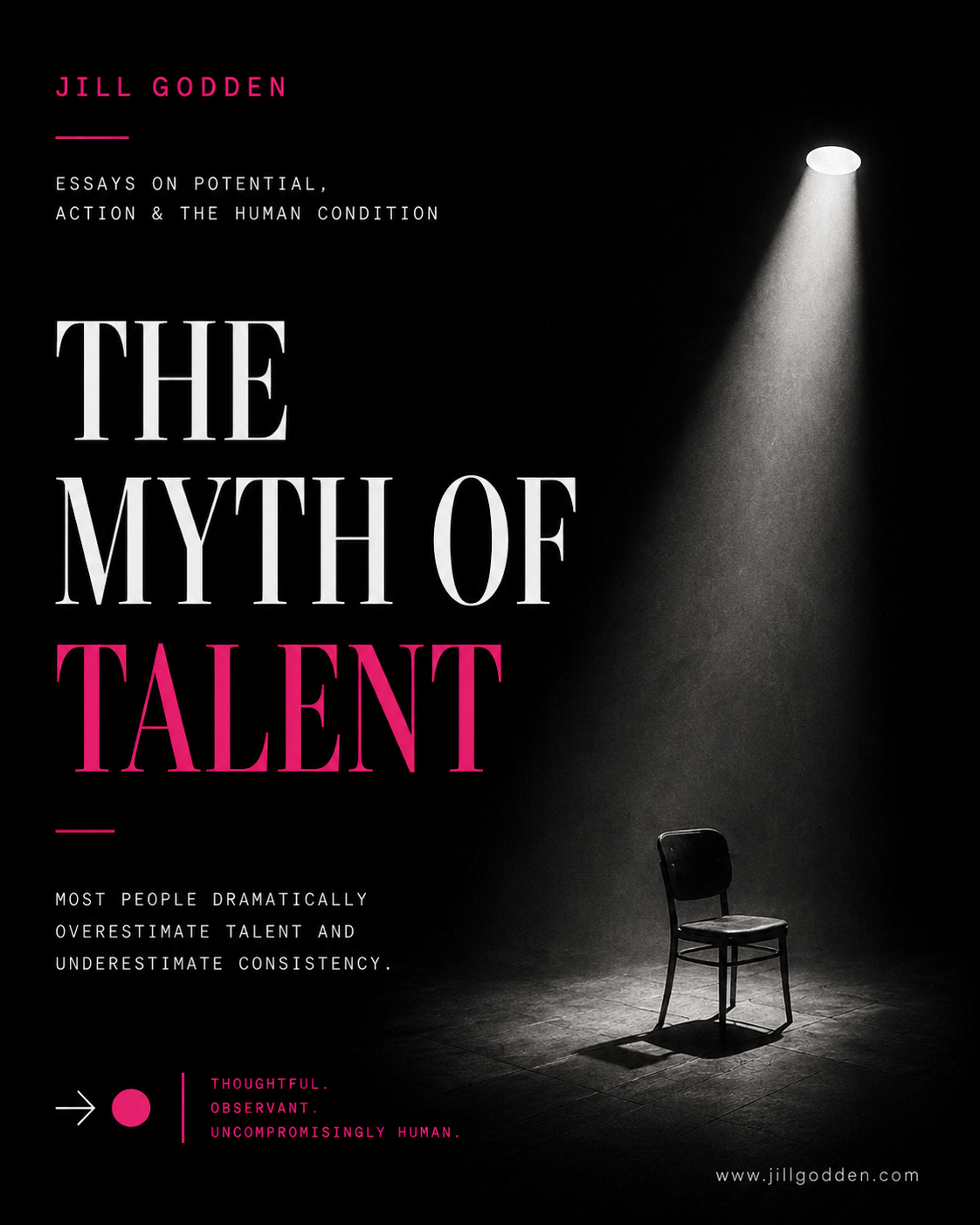
The Myth Of Talent
There are few ideas more deeply embedded in modern culture than the belief in talent. We are taught from an early age to look for it, admire it, and explain success through it. When we encounter extraordinary achievement, our instinct is often to search for the natural gift behind the outcome. The musician must have been born musical. The athlete must have been born athletic. The entrepreneur must have a rare instinct for business. The writer must possess some mysterious creative ability that others simply do not have.
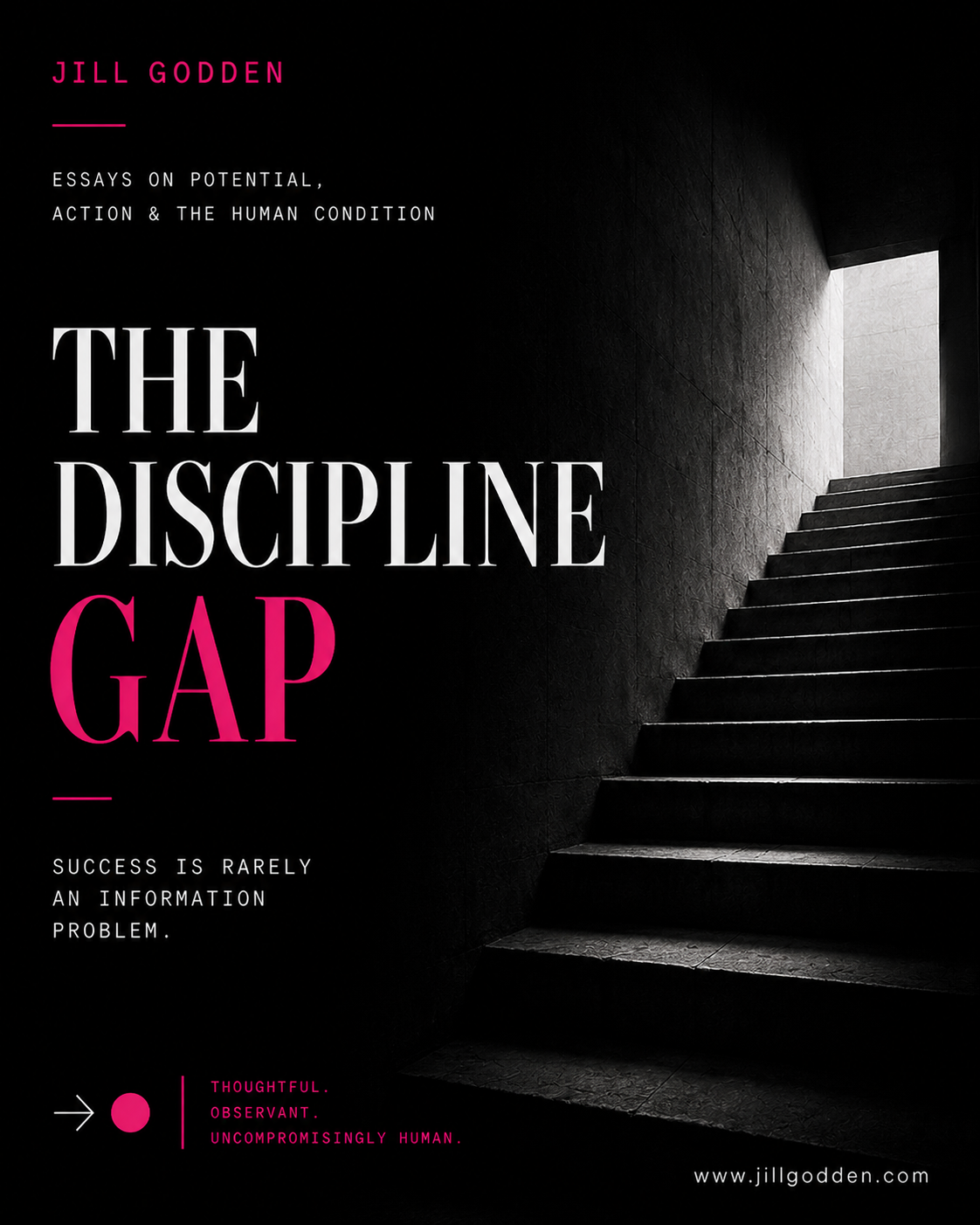
The Discipline Gap
One of the strangest features of modern life is that knowledge has never been more accessible, yet meaningful action remains remarkably rare.
For almost any goal a person might pursue, the information already exists. The aspiring entrepreneur can access thousands of articles, podcasts, books, interviews, courses, and case studies. The individual seeking better health can find detailed guidance on nutrition, exercise, sleep, and recovery. The professional looking to improve their career can learn almost any skill from a laptop connected to the internet.
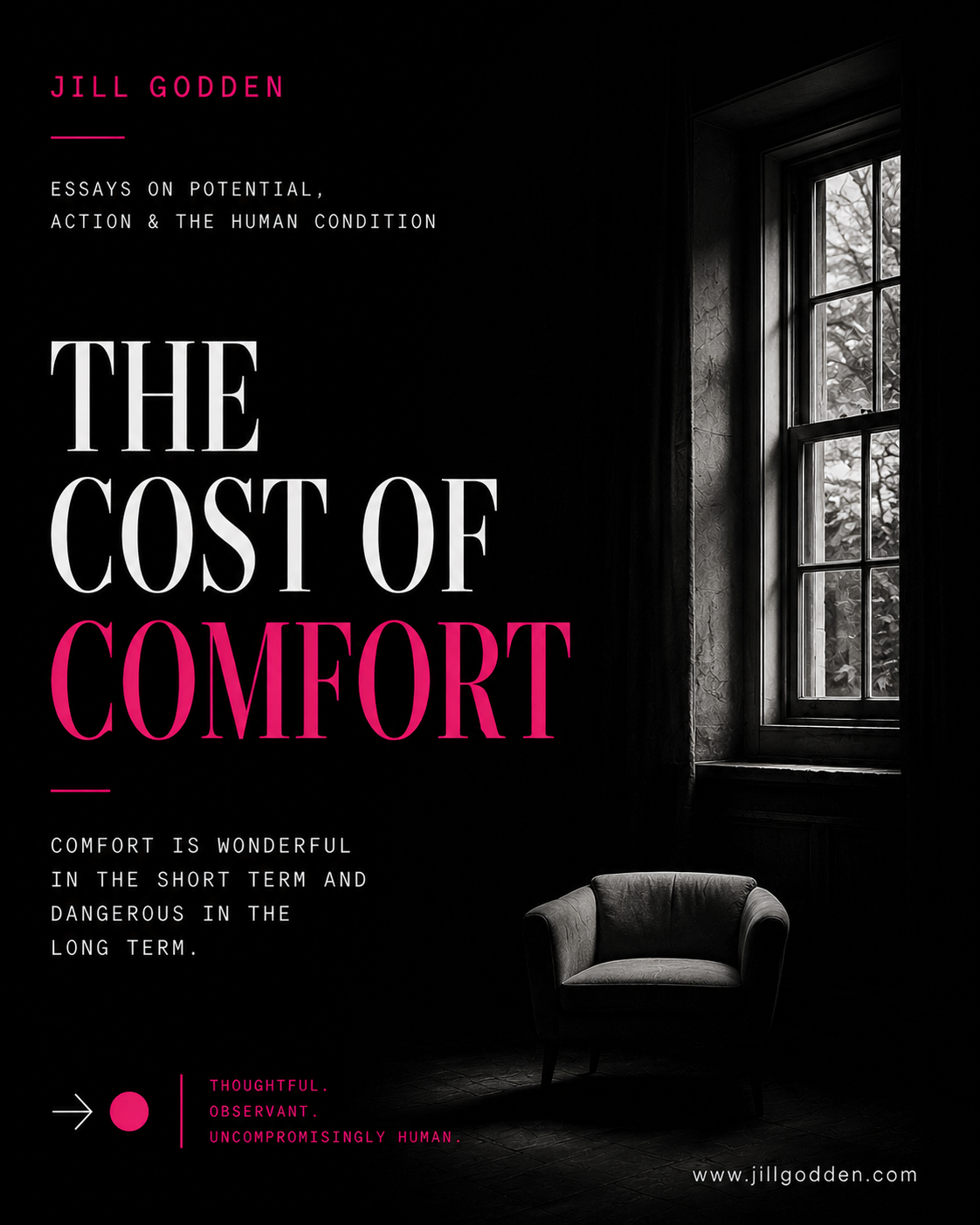
The Cost Of Comfort
Few things are more universally desired than comfort.
People work hard to create it. They seek financial security to obtain it. They pursue stable careers to preserve it. They build routines, homes, relationships, and lifestyles that provide a sense of certainty and ease. Comfort represents safety. It reduces stress. It shields us from hardship. It provides relief from the uncertainty and difficulty that often accompany life.
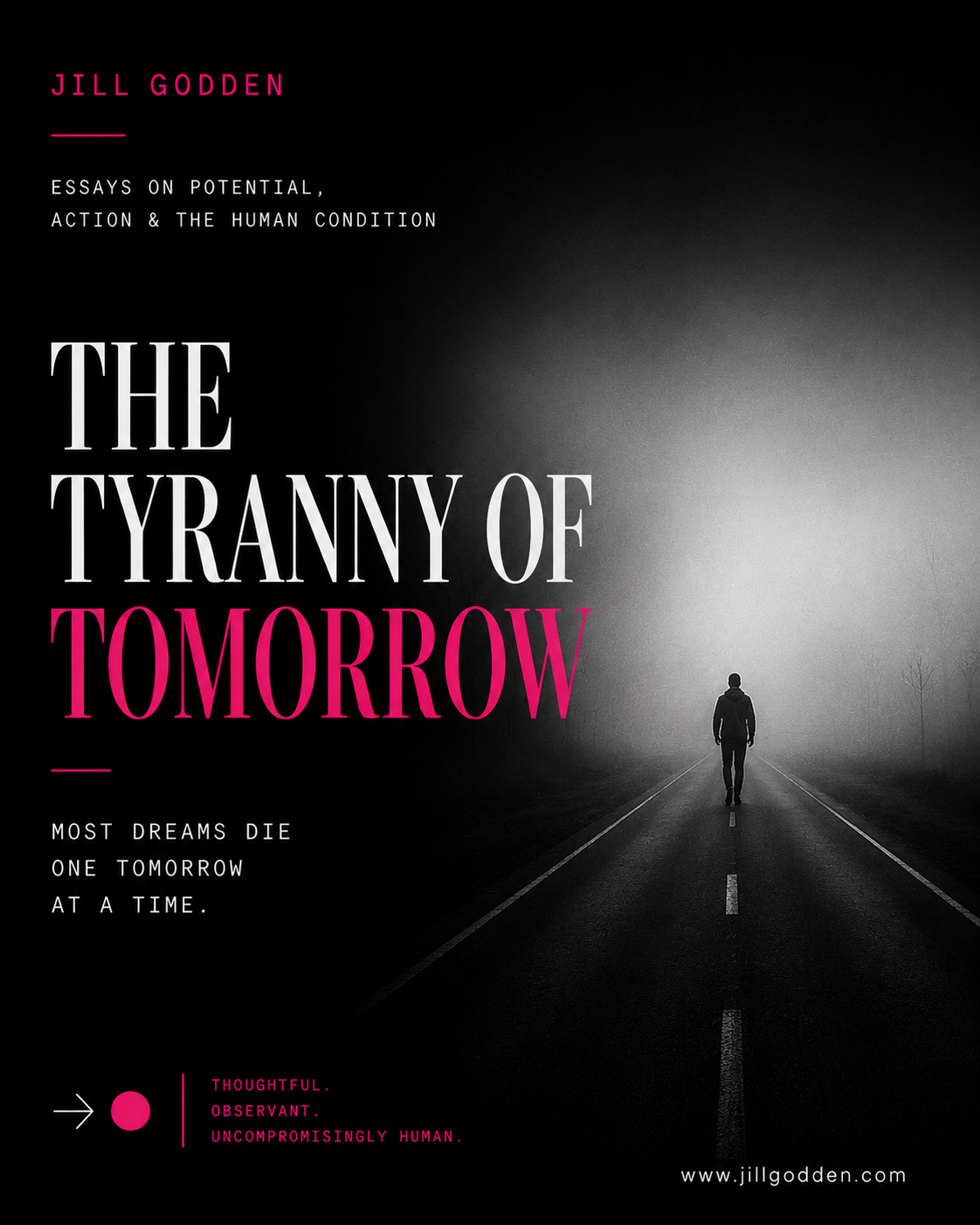
The Tyranny Of Tomorrow
There are few words more dangerous than tomorrow.
At first glance, tomorrow appears harmless. It suggests possibility rather than rejection. It implies delay rather than abandonment. It allows us to postpone action without feeling as though we have given up entirely. This is precisely why it is so effective.
Today, many of those traditional scarcities have been reduced. Information is abundant. Entertainment is abundant. Communication is abundant. Content is abundant. Technology has made access easier, faster, and cheaper than at any other point in human history.
The Attention Economy
For most of human history, scarcity was relatively easy to identify.
People lacked food, shelter, resources, information, capital, and opportunity. Economic systems were largely organised around the allocation of tangible assets. Success often depended upon acquiring and managing resources that were visibly limited.
Today, many of those traditional scarcities have been reduced. Information is abundant. Entertainment is abundant. Communication is abundant. Content is abundant. Technology has made access easier, faster, and cheaper than at any other point in human history.
Busy But Not Moving
Modern life has created a peculiar form of exhaustion. Many people end their days feeling overwhelmed, depleted, and mentally drained, yet when asked what meaningful progress was actually made, the answer is often surprisingly unclear. Calendars are full, inboxes are overflowing, notifications arrive constantly, and responsibilities seem endless. Activity is everywhere. Movement, however, is often much harder to find.
The Comparison Trap
There has never been a time in human history when people had more visibility into the lives of others.
For most of history, comparison was naturally limited. Individuals compared themselves primarily with family members, neighbours, colleagues, and the relatively small communities in which they lived. The number of lives available for observation was finite. Expectations were shaped by local realities. Success, failure, achievement, and status were largely measured against people whose circumstances were at least somewhat similar.
The Loneliness Paradox
One of the strangest contradictions of modern life is that people have never been more connected and yet loneliness remains one of the most common human experiences. Technology has made communication effortless. Messages travel instantly across continents. Video calls connect families separated by oceans. Social platforms allow individuals to maintain contact with hundreds or even thousands of people simultaneously. At no point in history has it been easier to reach another human being.
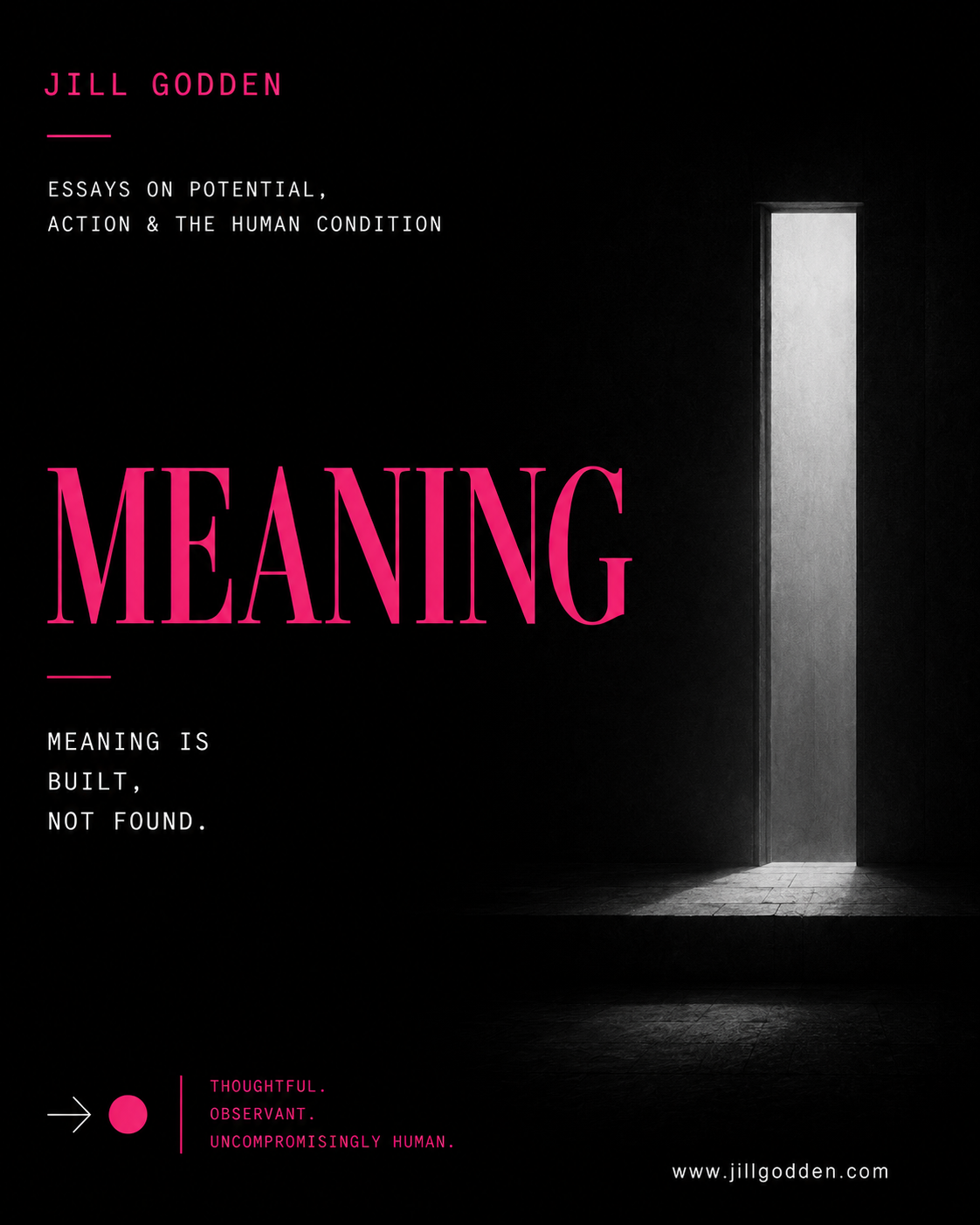
Meaning
Few questions have occupied the human mind more persistently than the question of meaning. Regardless of culture, era, geography, or circumstance, people eventually find themselves confronting the same fundamental uncertainty. Why are we here? What makes a life significant? What gives our existence value beyond survival, achievement, and the passage of time?
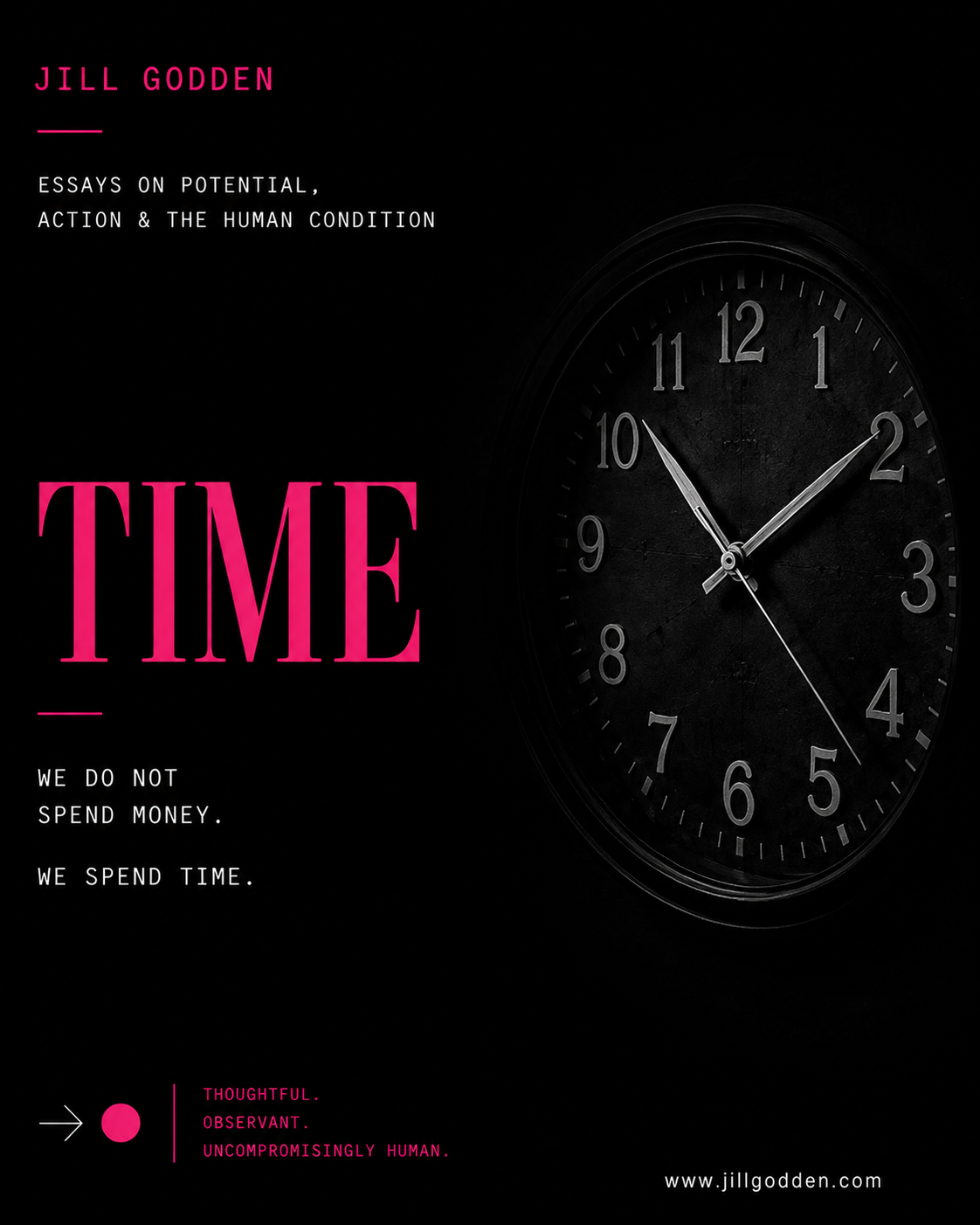
Time
Human beings spend a remarkable amount of their lives thinking about money.
We work for it, save it, invest it, spend it, worry about it, and measure success through it. Entire industries exist to help people acquire more of it. Careers are built around it. Decisions are justified because of it. For many individuals, money becomes one of the primary lenses through which life is evaluated.
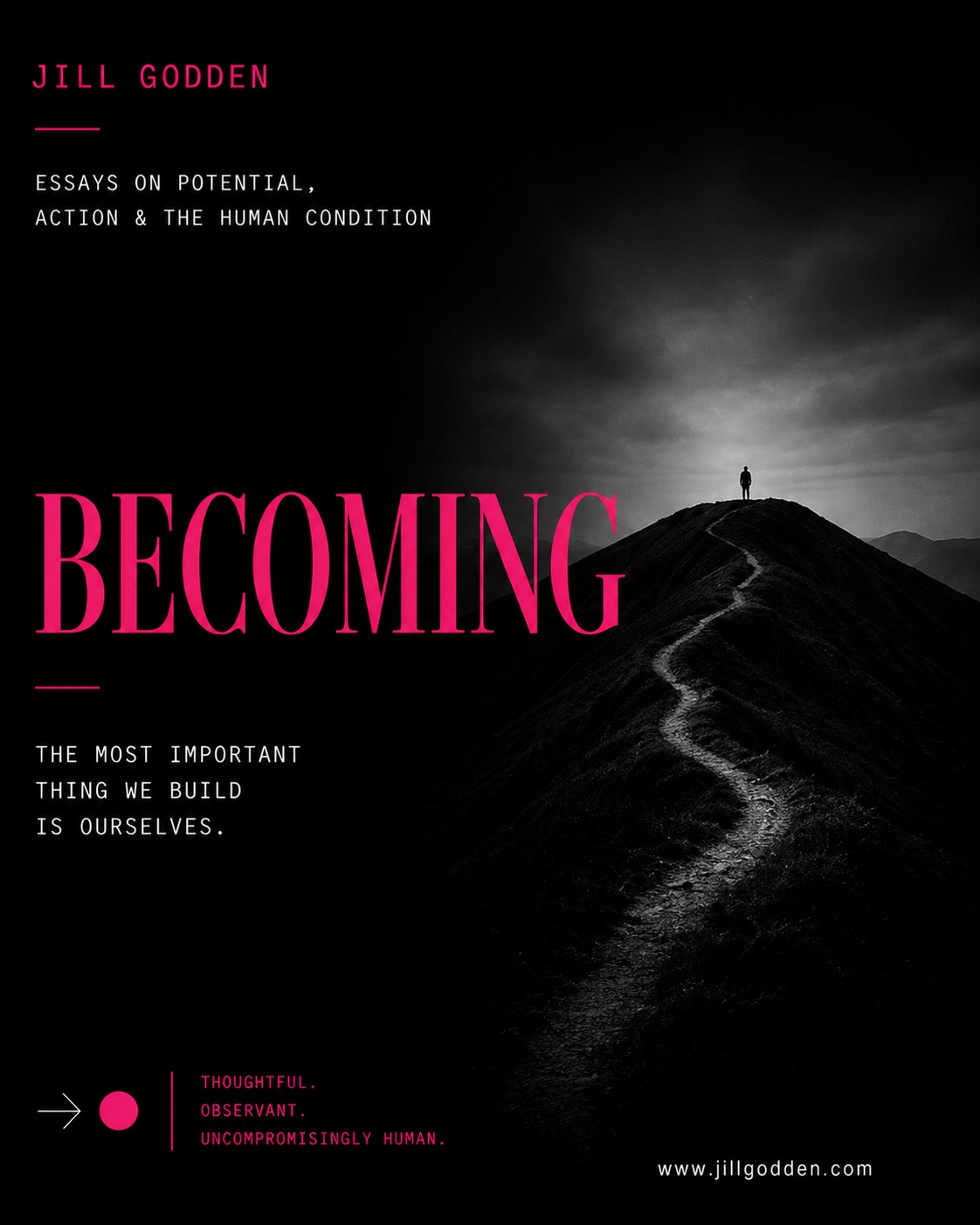
Becoming
Much of modern life is organised around achievement.
From an early age, people are taught to pursue outcomes. They are encouraged to achieve good grades, secure desirable careers, earn promotions, accumulate wealth, build successful businesses, acquire recognition, and reach increasingly ambitious goals. Achievement becomes one of the primary ways individuals evaluate themselves and are evaluated by others. Progress is measured through milestones. Success is measured through results.
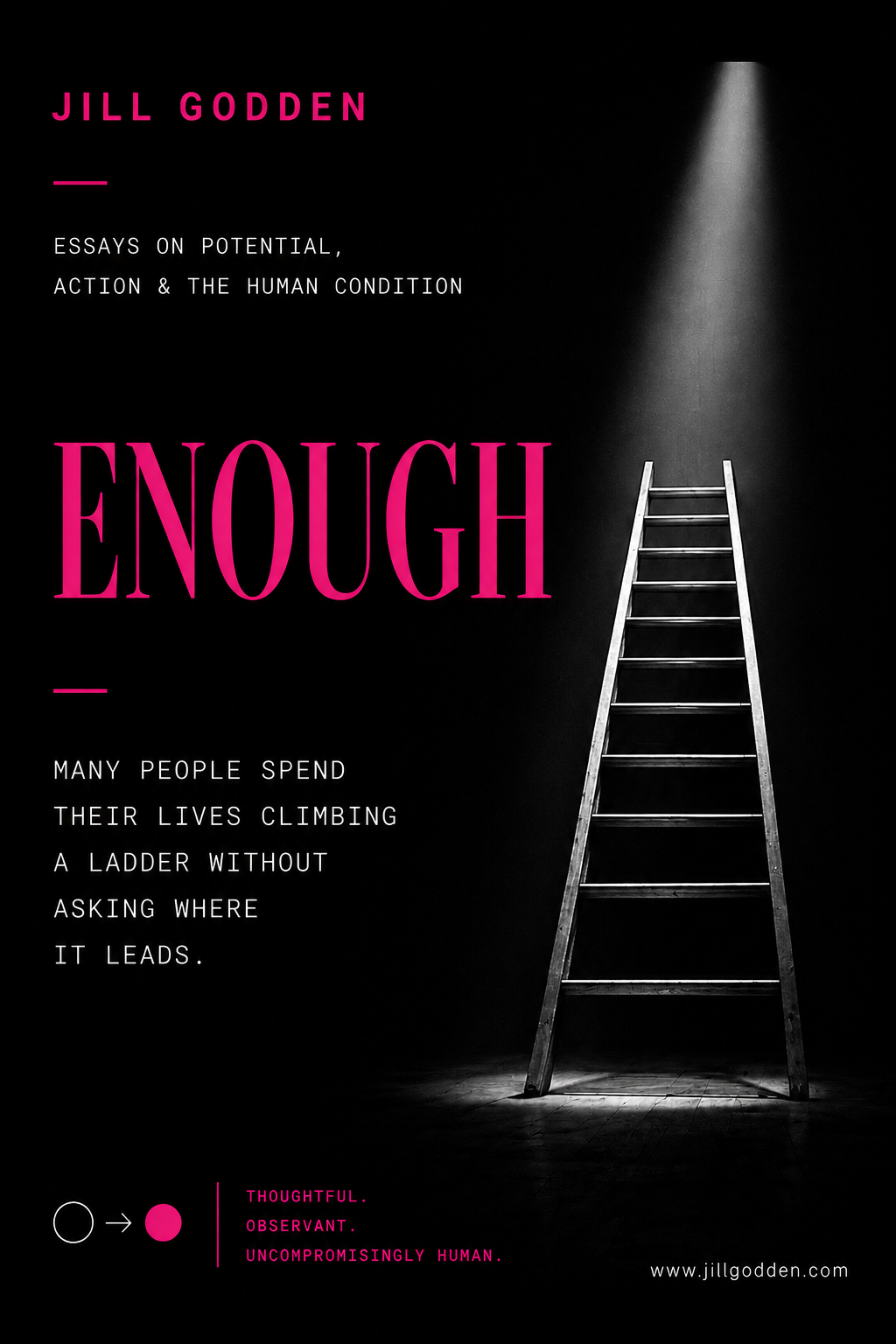
Enough
Few questions are more important, or more frequently avoided, than the question of enough.
Human beings spend much of their lives pursuing more. More success. More money. More recognition. More achievement. More influence. More experiences. More opportunities. The pursuit often begins innocently. Ambition can be healthy. Growth can be meaningful. Progress can improve lives. The desire to build, create, and achieve has driven extraordinary accomplishments throughout history.
FAQ
What is Potential Debt?
Potential Debt is the idea that unrealised potential carries a cost. It describes the gap between who we are and who we could become, and the responsibility we have to close that gap through action.
Why did Jill Godden create Potential Debt?
Potential Debt emerged from years of working with founders, entrepreneurs, investors and business leaders. Jill observed that talent, intelligence and opportunity are common, while meaningful action is far less so.
What topics are explored in the essays?
The essays explore potential, action, entrepreneurship, success, failure, regret, legacy, discipline, decision making, personal responsibility and human behaviour.
Who are the essays written for?
The essays are written for founders, entrepreneurs, investors, creators, leaders and anyone interested in understanding how people move from possibility to achievement.
What is the central philosophy behind Potential Debt?
The central belief behind Potential Debt is that potential is not an asset. It is a responsibility. The distance between possibility and action creates a debt that can only be repaid through deliberate effort.
Why do success and failure appear throughout the essays?
Success and failure are not treated as destinations. They are examined as feedback that reveals how people make decisions, respond to pressure and build meaningful outcomes over time.
Are the essays connected?
Yes. Each essay can be read independently, but together they form a broader body of work exploring human potential, action, entrepreneurship, regret, legacy and the choices that shape a life.
What does Potential Debt mean for entrepreneurs?
For entrepreneurs, Potential Debt represents the gap between an idea and its execution, between ambition and achievement, and between the company that exists today and the company that could exist tomorrow.